


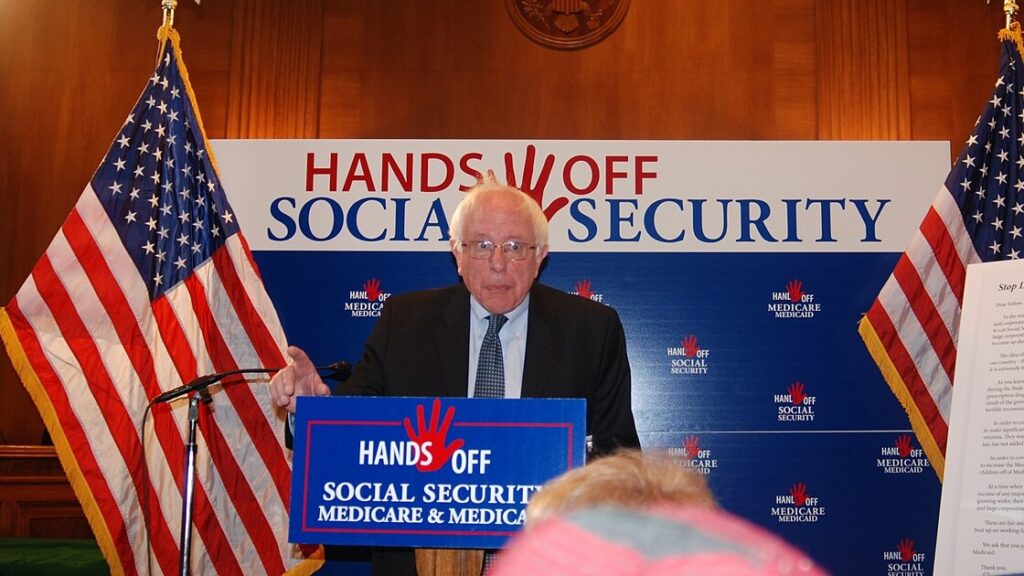
Tens of millions of Americans who depend on Social Security retirement checks face a tighter deadline for congressional action. The Congressional Budget Office now projects the program’s main trust fund will run out of reserves in 2032, one year sooner than its previous estimate. If lawmakers fail to act before that date, benefits would automatically drop by roughly 24 percent under current law, hitting retirees, survivors, and their families at a moment when many have no alternative income source.
What is verified so far

Two separate federal bodies track the health of Social Security’s Old-Age and Survivors Insurance trust fund, and their timelines do not perfectly align. The CBO’s February 2026 Budget and Economic Outlook, covering the period 2026 to 2036, sets the depletion year at 2032. That document is archived through the government’s official records system, which can be accessed via the GovInfo portal, and serves as the basis for the accelerated projection now driving the policy debate.
Separately, the Social Security Administration’s Office of the Chief Actuary publishes its own annual assessment. The detailed section on the Old-Age and Survivors Insurance fund in the 2025 actuarial analysis uses a different set of economic and demographic assumptions than the CBO. That chapter explicitly references the CBO’s 2032 estimate alongside the Trustees’ own intermediate-assumption projections, confirming that both agencies are working from overlapping but distinct models while arriving at slightly different timelines.
The Trustees also issue a concise overview of the program’s finances. In that public summary, maintained by the Office of the Chief Actuary and updated annually, the Trustees highlight reserve levels, projected shortfall dates, and the size of the long-range funding gap for the OASI fund and related programs. Together, the CBO outlook and the Trustees’ materials form the core factual basis for current discussions about when the trust fund will be exhausted and how large a policy change would be required to close the gap.
The practical consequence is straightforward. Once the trust fund’s reserves hit zero, Social Security can pay out only what it collects in payroll taxes each year. The gap between incoming revenue and scheduled benefits translates into an automatic cut of about 24 percent for every beneficiary, unless Congress changes the tax or benefit structure before depletion. That reduction would apply across the board under current law, affecting retirees, surviving spouses, and dependent children who receive OASI benefits.
What remains uncertain
The exact reason the CBO moved its depletion estimate forward by one year has not been spelled out in a single public explanation. The February 2026 Outlook provides the updated date, but neither CBO actuaries nor SSA officials have released detailed testimony or line-item worksheets reconciling the shift. Possible factors include faster-than-expected post-pandemic labor-force contraction, lower real wage growth assumptions, or revised immigration projections that reduce projected payroll tax receipts. Without published sensitivity tables tied specifically to the one-year acceleration, any single causal claim remains speculative.
The gap between CBO and Trustees projections adds another layer of ambiguity. The Trustees’ intermediate assumptions have historically produced a slightly later depletion date than CBO’s baseline. Whether that gap persists in the next Trustees Report, expected later in 2026, will matter for how Congress frames any legislative response. If both agencies converge on 2032, the political pressure to act rises sharply. If the Trustees hold to a later date, lawmakers may use the disagreement to justify delay and argue that the system has more breathing room than the CBO suggests.
Legislative uncertainty compounds the forecasting questions. No bill currently on track in either chamber of Congress addresses the shortfall with enough bipartisan support to reach a floor vote. Proposals range from raising the payroll tax cap on high earners to adjusting the benefit formula for future retirees, changing the cost-of-living calculation, or gradually increasing the full retirement age. Each of these options would distribute the burden differently across income groups and generations, but none has advanced past committee markup as of early 2026, leaving beneficiaries with no clear signal of what eventual compromise, if any, will emerge.
How to read the new timeline
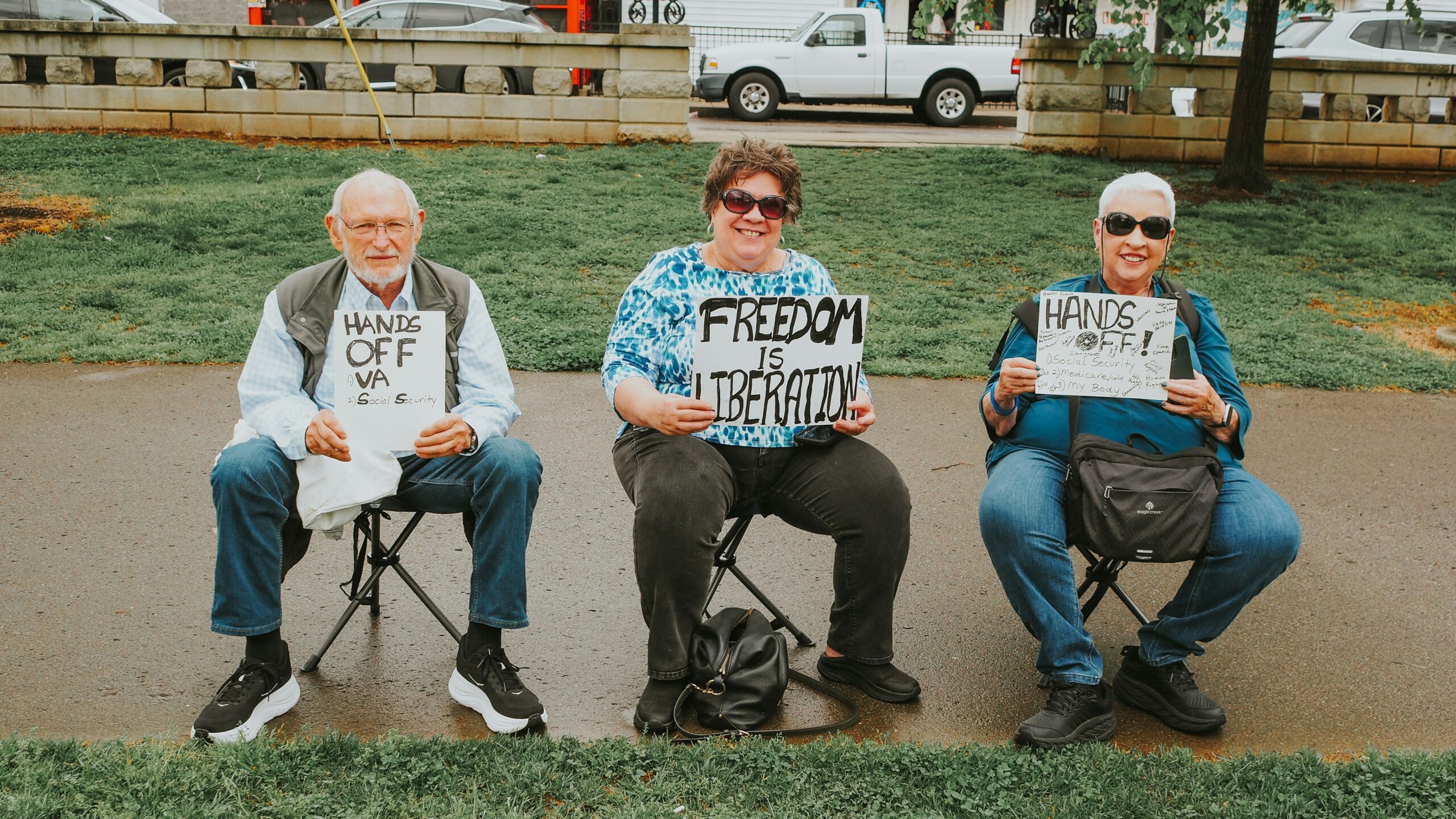
For current and future beneficiaries, the revised 2032 depletion date is best understood as a policy deadline, not a cliff where Social Security vanishes overnight. Even after the trust fund’s reserves are exhausted, payroll taxes would continue to flow into the system, covering roughly three-quarters of scheduled benefits. The risk is not that payments stop entirely, but that they are cut sharply and automatically if Congress fails to act in time.
Because the CBO and the Social Security Trustees use different models, their projections should be viewed as overlapping warning signals rather than precise expiration dates. Both point to a structural mismatch between promised benefits and dedicated revenues that grows more difficult to fix the longer lawmakers wait. The one-year acceleration in the CBO’s estimate underscores that the window for gradual, less disruptive adjustments is narrowing, even if the exact depletion year remains subject to revision as new economic and demographic data arrive.
For now, the verified facts are limited but stark: official federal projections show the OASI trust fund moving toward exhaustion within about a decade, and no enacted legislation has yet altered that trajectory. Until Congress agrees on a plan to either raise more revenue, slow the growth of benefits, or combine elements of both, retirees and workers approaching retirement must plan under the assumption that the law’s automatic cuts will take effect if that policy deadline passes without action.