



The Federal Reserve held interest rates steady again this spring, keeping the federal funds rate target at 4.25% to 4.50%, and for retirees who have spent the past two years earning meaningful income from savings accounts and Treasury bills, the decision raises an uncomfortable question: is this the last stretch of high yields, or the new normal?
The answer hinges on inflation data arriving in the coming weeks and a June 2026 FOMC meeting that could reshape rate expectations for the rest of the year. For the more than 55 million Americans aged 65 and older, according to U.S. Census Bureau population estimates (a figure that has continued to grow since the 2020 count), every quarter-point shift in the benchmark rate ripples directly into CD renewals, Treasury bill auctions, and the bond funds anchoring millions of retirement portfolios.
Here is what the Fed actually said, what it means for specific savings instruments, and what retirees can do before the next decision lands.
What the Fed actually said
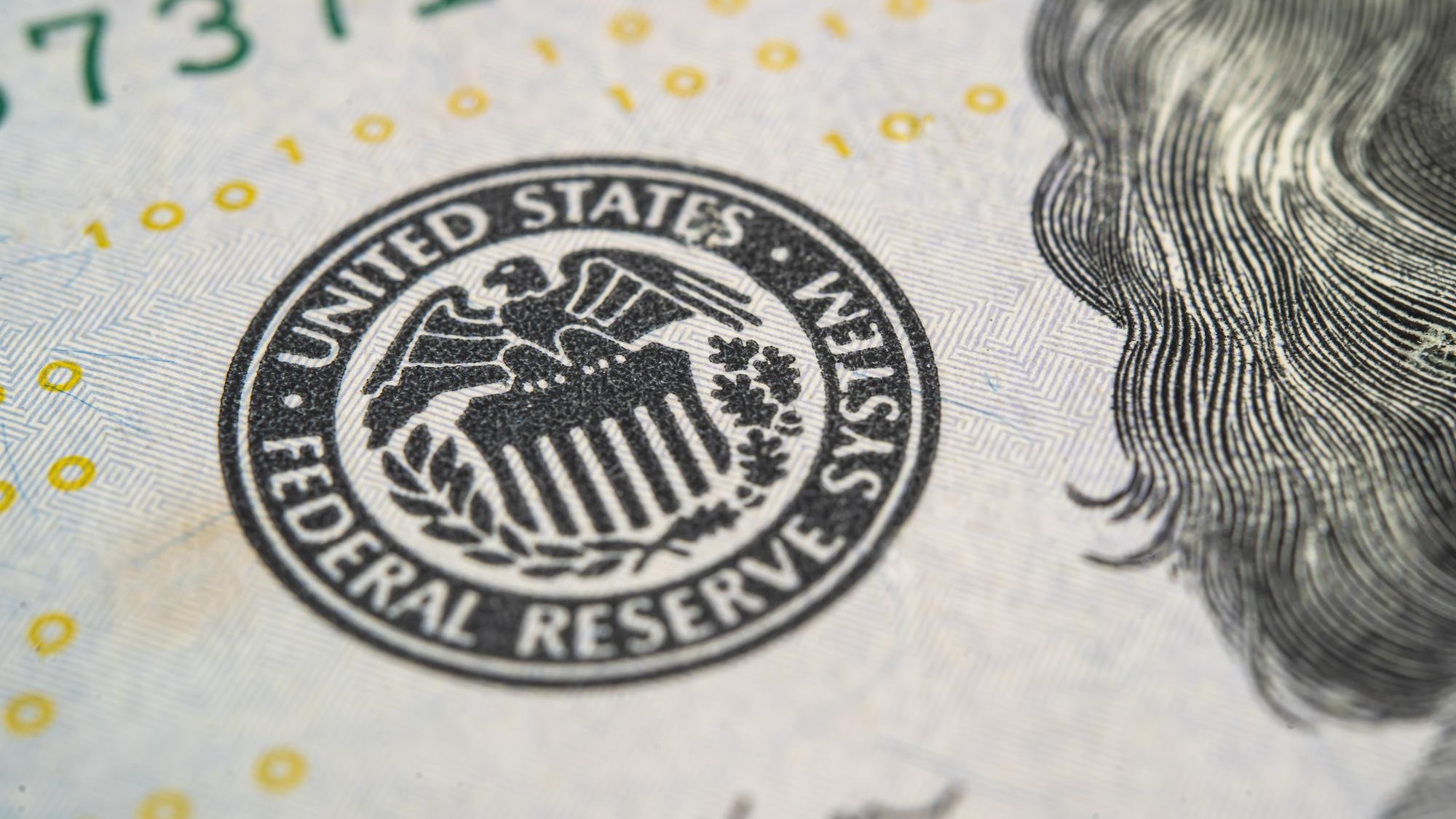
The FOMC’s most recent policy statement confirmed the Committee would keep the federal funds rate target range at 4.25% to 4.50%. The accompanying language described risks to the Fed’s dual mandate of maximum employment and stable prices as “roughly balanced,” a phrase that signals policymakers see no urgent reason to move in either direction. Full statements and meeting materials are available on the official FOMC calendar page.
Notably, the spring hold did not come with updated economic projections. The most recent Summary of Economic Projections, including the dot plot that maps where each policymaker expects rates to land over the next several years, was published after the March 2026 meeting. Those projection tables remain the operative forecast that markets and financial planners are using to gauge how long current yields might persist. Fresh projections are expected at the June 2026 meeting, making it the next major inflection point for rate expectations.
One factor the Fed has flagged repeatedly in recent statements: uncertainty around trade policy. Tariffs imposed and adjusted throughout 2025 and into 2026 have made it harder for policymakers to separate temporary price spikes from persistent inflation, and that ambiguity is a key reason the Committee has opted to hold rather than cut.
Why inflation data in the next few weeks matters more than usual
The Bureau of Labor Statistics publishes Consumer Price Index readings monthly, and the next report is expected in mid-May 2026. That number carries outsized weight because it will shape expectations heading into the June FOMC meeting, the next occasion when the Fed could pair a rate decision with new economic projections and a fresh dot plot.
If inflation continues to drift toward the Fed’s 2% target, markets are likely to price in at least one rate cut before the end of 2026. That would push money-market yields and new CD rates lower, reducing the income stream retirees have relied on since rates began climbing in 2022. If inflation reaccelerates, perhaps driven by tariff-related price pressures or sticky housing costs, a higher-for-longer rate environment becomes the base case. That preserves current yields but also raises the cost of groceries, medical care, and insurance.
A nuance that matters for older Americans: the headline CPI does not perfectly capture retiree spending patterns. Healthcare services, prescription drugs, and housing consume a larger share of budgets after 65. The BLS has published an experimental index called the CPI-E, designed to track spending by Americans 62 and older. The index is a research tool, not an official measure, and the BLS has not maintained it on a regular publication schedule. Still, in the periods when it was calculated, it tended to run slightly hotter than the standard CPI, a pattern worth keeping in mind: retirees relying solely on the headline inflation number may underestimate how fast their purchasing power is eroding.
This also matters for Social Security. The annual cost-of-living adjustment, or COLA, is calculated using a different CPI variant (CPI-W), and a lower inflation reading later this year could mean a smaller COLA for 2027. Retirees counting on a generous adjustment to offset rising expenses should plan conservatively until the Social Security Administration announces the figure in the fall.
What the hold decision means for specific retirement instruments
Money-market funds and high-yield savings accounts. These track the federal funds rate closely. With the target range at 4.25% to 4.50%, competitive money-market funds have been offering yields in a similar neighborhood, though the exact rate varies by fund and can change daily. Current Treasury bill rates, which underpin many money-market fund returns, are published on the Treasury Department’s rate tables. As long as the Fed holds, these yields should remain relatively stable. But they will drop quickly once cuts begin, often within days of a rate decision.
Certificates of deposit. Banks set CD rates based partly on where they expect the Fed to go, not just where it is today. That means longer-term CD rates may already reflect anticipated cuts, and a 12- or 18-month CD locked in now could secure a rate that outlasts the current hold period. This is effectively insurance against a drop in short-term yields. Shopping matters here: the spread between the best and worst nationally available CD rates for the same term can exceed a full percentage point, according to rate-comparison tools from Bankrate and the FDIC.
Bond funds and individual bonds. This is where the hold decision gets complicated. Bond prices move inversely to interest rates, and funds holding longer-duration bonds are more sensitive to rate expectations than short-term instruments. Even during a hold, if markets begin pricing in future rate changes in either direction, long-duration bond fund values can swing. The SEC’s investor education resources explain this duration dynamic in plain language. Retirees who may need to sell bond fund shares within the next year or two face more price risk than those who can hold through volatility or own individual bonds they plan to keep to maturity.
I Bonds. Series I Savings Bonds adjust their rate semiannually based on CPI data. If inflation stays elevated, the variable component remains attractive as a purchasing-power hedge, particularly for retirees whose actual cost of living is rising faster than the headline index suggests. The annual purchase limit of $10,000 per person (plus up to $5,000 through tax refunds) caps the strategy, but for a slice of savings earmarked for inflation protection, I Bonds remain a straightforward option. Current composite rates are posted on TreasuryDirect.
Three moves to consider before the June meeting

1. Match maturities to your spending timeline. Money you need in the next 12 months belongs in the shortest, most liquid instruments: money-market funds, Treasury bills, or a high-yield savings account. Money you will not touch for three to five years can tolerate more duration risk and may benefit from locking in current rates through CDs or short-to-intermediate bond funds. Money earmarked for a decade or more can ride out full rate cycles in a diversified stock-and-bond allocation.
2. Stress-test your withdrawal rate against a rate drop. Run your retirement budget under two scenarios: one where yields fall by a full percentage point within the next 12 months, and one where they stay flat. If a 1-point drop forces you to cut essential spending or accelerate portfolio drawdowns, your plan is more rate-sensitive than you may realize. A fee-only financial planner (you can search for one through the National Association of Personal Financial Advisors) can model these scenarios using your actual holdings and expenses.
3. Mark two dates on your calendar: the May CPI release and the June FOMC meeting. These events, arriving within weeks of each other, will provide the clearest signal yet about whether 2026 brings rate cuts or an extended hold. You do not need to trade on the news. But reviewing your allocation after both data points land is a reasonable checkpoint, and it is far more productive than reacting to every headline in between. The Fed publishes its full schedule of upcoming meetings on its FOMC calendar.
How to stay resilient when the path is uncertain
No verified data point available today, not the hold decision, not the March projections, not the latest CPI print, provides a definitive roadmap for the rest of 2026. The Fed itself has emphasized that future moves depend on incoming data, which means the outlook can shift meaningfully with a single jobs report, an inflation surprise, or a new trade policy announcement.
That uncertainty is not a reason to freeze. It is a reason to build a plan that works across a range of outcomes. Diversify across maturities so no single rate move upends your income. Keep enough liquidity to cover at least 12 months of spending without forced selling. Revisit your plan when genuinely new information arrives, not when a cable news chyron tells you to panic.
The yields available in spring 2026 are real, and they are meaningfully better than what retirees earned for most of the 2010s. But they are not guaranteed to persist. Treating them as a welcome bonus rather than a permanent baseline keeps your retirement plan intact no matter which direction the Fed moves next.