



Millions of Americans who turned 65 or older by the end of 2025 qualify for a new $6,000 tax deduction, but the benefit will not show up on their returns unless they file an extra form. The deduction, created by the One Big Beautiful Bill Act signed into law on July 4, 2025, requires eligible seniors to complete Part V of the newly created IRS Schedule 1-A and transfer the result to Form 1040, line 13b. Couples who both qualify can claim up to $12,000, yet the window is narrow: the provision covers only tax years 2025 through 2028.
What is verified so far
The senior deduction traces directly to Section 70103 of Public Law 119-21, enacted as part of H.R. 1 in the 119th Congress. The statute sets the per-person amount at $6,000 and doubles it to $12,000 for qualifying married couples filing jointly. To be eligible, a taxpayer must reach age 65 by the last day of the relevant tax year. The benefit phases out once modified adjusted gross income exceeds $75,000 for single filers or $150,000 for joint filers.
The IRS confirmed the mechanics in News Release IR-2026-28, which introduced Schedule 1-A as the vehicle for claiming several new deductions, including the senior bonus. According to an IRS description of the new schedule, taxpayers must use it to claim a set of recently enacted deductions, including the one for seniors. Filers complete Part V of Schedule 1-A, then enter the resulting figure on Form 1040, line 13b, according to the 2025 Form 1040 instructions. The IRS fact sheet states that taxpayers must “attach Schedule 1-A” and “enter the amount on Form 1040, line 13b.” Without that attachment, the return carries no record of the deduction, and the filer receives nothing.
The core eligibility rules and income thresholds appear only in the statutory text of H.R. 1 and the conforming IRS guidance. Neither document converts the deduction into an automatic adjustment based solely on age, meaning the IRS will not add the amount on its own if a taxpayer skips Schedule 1-A. The law instead treats it like any other elective deduction: available to those who know to claim it and who complete the required lines accurately.
What remains uncertain

No official data exists yet on how many eligible seniors have actually claimed the deduction for tax year 2025. The IRS has not published error rates or rejection statistics for Schedule 1-A filings, so it is unclear how smoothly the new form is working in practice. Equally absent is any public statement from the agency about targeted outreach campaigns to reach seniors who file by hand or use basic free-file tools, groups that face the highest risk of missing the extra step.
Commercial tax software vendors have not disclosed whether their products automatically prompt users to complete Part V when age and income data suggest eligibility. That gap matters because seniors who rely on paper forms or stripped-down online tools may never encounter a prompt to attach Schedule 1-A. If software treats the deduction as optional or buries it behind advanced menus, eligible taxpayers could pass through the interview without ever seeing a question about the new benefit.
Congress has not introduced any amendment or clarifying guidance on the phase-out calculation beyond the enrolled text of H.R. 1, leaving open the possibility that edge cases near the $75,000 and $150,000 thresholds could generate confusion. For example, the statute references modified adjusted gross income but does not spell out in plain language which specific add-backs apply to seniors with Social Security, pensions, and part-time wages. Until the IRS releases more detailed examples in publications or FAQs, preparers must infer the treatment from general MAGI rules.
How to read the evidence
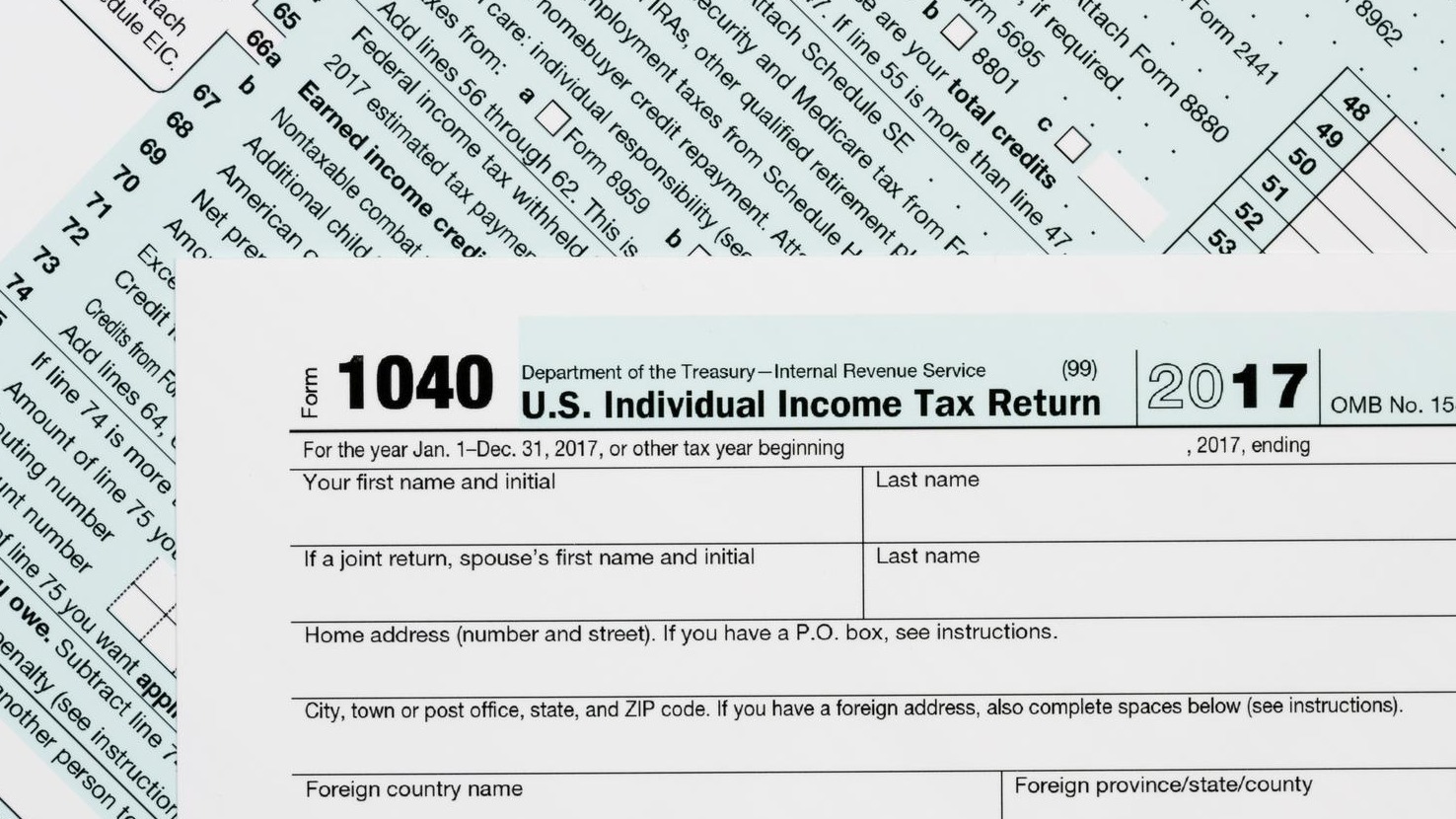
The strongest proof that this deduction requires manual action comes from two primary IRS documents: the 2025 Form 1040 instructions, which direct filers to “see Schedule 1-A” for additional deductions, and the agency’s announcement describing the new schedule. In that announcement, the IRS explains that Schedule 1-A is the required worksheet for several new items, including the senior deduction, and that taxpayers must attach it for the amount to count. Taken together, these documents show that the deduction is not automatic and depends on accurate completion of Part V.
The statutory language in Public Law 119-21 confirms that Congress intended the benefit to be time-limited and targeted. By tying eligibility to age 65 and imposing income phase-outs, lawmakers aimed the deduction at middle- and lower-income seniors rather than high earners. Yet the reliance on an extra form and a new line on Form 1040 introduces friction that may prevent some of the intended recipients from claiming it, particularly those unfamiliar with recent tax changes.
For now, the best-supported conclusion is straightforward: seniors who meet the age and income tests can reduce taxable income by up to $6,000 each, but only if they actively claim the deduction on Schedule 1-A and carry the result to line 13b. The law, as written in Public Law 119-21 and H.R. 1, establishes the right to the deduction, while the IRS guidance explains the mechanics. What remains unknown is how many eligible taxpayers will navigate those mechanics successfully before the provision expires after the 2028 tax year.